Physical Address
304 North Cardinal St.
Dorchester Center, MA 02124
Physical Address
304 North Cardinal St.
Dorchester Center, MA 02124

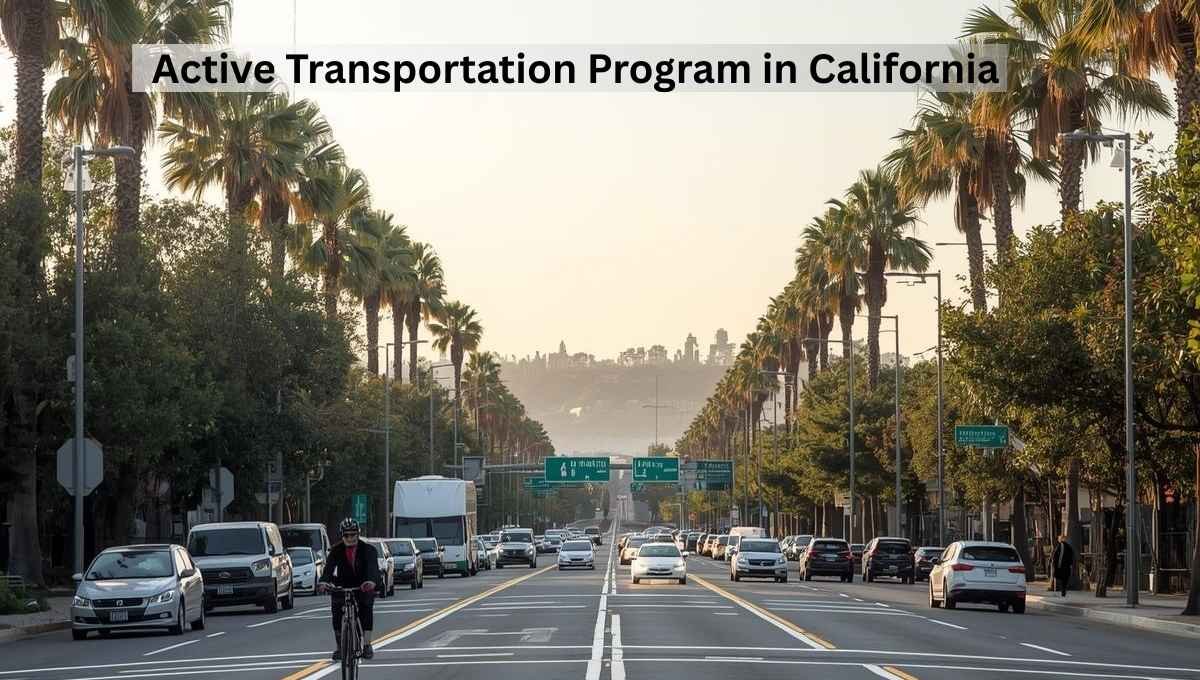
When travelling California, it is not all about highways and cars and as many long road trips along the Pacific coast as possible. For the better part of a decade, the state has been moving decisively toward healthier, greener and more people-centered ways to get around. That include the active transportation program, a project that is part of an over-arching move to promote walking and cycling as well as other forms of non-motorised travel.
For anyone visiting, planning for, or broadly interested in sustainable travel systems, an understanding of how California implements transportation financing and long-range planning can be informative. This article examines California’s active transportation program, including how it fits within broader transportation programs and the policies and institutions that are shaping movement across the state.
The active transportation program (frequently referred to simply as ATP) is a California state funding initiative that provides resources for projects designed to increase the safety and convenience of walking and biking. It is devoted to the regular movements used for commuting, traveling to school and using public transport not just cycling.
The programme favours projects that diminish car dependency, lower carbon emissions and enhance public health. Examples include new cycle lanes, safer pedestrian crossings, traffic calming and better routes to schools. There is also a strong commitment to support disadvantaged communities, so that they are able to benefit from what is being described as the biggest transport improvement in the country for decades.
Travel-wise, the program encourages the development of cities and towns that are easier towalk or bike in. This makes California more appealing to travelers who wish for a slower, more in-depth way of seeing local neighborhoods.
California’s Transportation Improvement Program (TIP) is a more inclusive planning and funding system around its major transport investments. It is how a list of which transport projects will be funded over a certain period (usually five years) is agreed.
There are two types of TIP: regional programs prepared by MPOs and the STIP, which functions at the state level. These initiatives range across roads, rail, public transport and cycling and walking projects.
That system, in turn, is fed by the active transportation program. TIPs frequently incorporate acceptable walking and cycling schemes in order to lock in funding and delivery. This means that walking, biking and rolling doesn’t get short shifted in policy priorities but are a critical part of California’s transportation solution.
For travellers this joined-up thinking is why in so many California cities you can now find orbits of transport, where cycling routes are integrated with buses, trains and urban centres.
The Transportation Development Act (TDA) is an important source of funding for public transit and for walking and cycling in California. It was first introduced in the 1970s, and allows local authorities to raise a small sales tax that is plowed back into transport services.
Public transport operations, pedestrian infrastructure and cycling improvements are among typical uses of TDA funding. In certain cases, such as those in active transportation program projects, at the local level as well.
The strength of the TDA is flexibility. Local governments can address local concerns, whether that is upgrading rural bus service or constructing safer pathways for walking in cities. This is local ownership of more inclusive, more responsive -public transport systems.
For UK readers, the TDA is similar in principle to local transport levies used to support bus networks and sustainable travel initiatives, showing how long-term funding tools can shape travel behaviour.
Californians already make plenty of jokes about the state’s Department of Transportation, Caltrans. It operates the California state highway system and is involved in transportation planning and infrastructure development.
Caltrans is responsible for the active transportation program to a large degree, though regional good and local councils are used to evaluate projects and allocate funding. More recently, Caltrans has adjusted its priorities from expanding roadways to a more holistic approach that considers safety, environmental sustainability and climate resilience.
This shift is indicative of broader alterations to transport planning, which in the last few decades has been based on considerations beyond just traffic flow accessibility, safety and environmental effects. For travelers, Caltrans’ participation has meant connected active transportation routes alongside major transportation corridors.
Knowing Caltrans goes some way to explain the strategy California uses to organise a massive and sophisticated transport network and still focuses locally on walking and cycling.
The CTP 2040 is California’s long-range strategic transportation plan. It is about building a secure, long-lasting and efficient system to fuel economic growth while addressing climate change.
It is proposed that Active Travel (walking and cycling) would be central to the scheme. Emphasis is given to the active transportation program as a pivotal measure for curtailing greenhouse gas emissions, addressing poor air quality and encouraging health and lifestyle alternatives. The plan promotes compact development, enhanced public transport links and investment in walking and cycling networks.
CTP 2040 also acknowledges equity as being important. Transport modes should work for everyone, regardless of your income, the kind of life stage you’re in or your physical ability. This method is similar to the funding priorities of the active transportation program, which prefer projects in disadvantaged communities.
Everybody who lives in or visits will see better streets, better public spaces and more ways to travel than in a car.
From the travel experience, the active transportation program is about changing how we see California. Cities become more accessible without a car, nearby attractions feel less isolated and neighbourhoods are more conducive to walkability or cycling.
For visitors, this equates to a range of scenic coastal paths, urban cycling packs and walkable town hubs. It’s for residents, so that everyday trips can be healthier, cheaper and more sustainable.
California has lessons for other geographies such as the UK, where active travel is coming more and more to be seen as a key dimension of modern transport policy.
California’s active transportation program is more than just a funding source. It is one part of a broader initiative to reimagine how people move, travel and engage with places. Guided by planning that looks decades out, strong laws and a clear vision of the future, it’s key to molding California’s transportation story.
Whether you are planning a trip, researching transport policy, or simply interested in sustainable travel, understanding this programme provides valuable insight into how modern transport systems can work better for people and the planet.