Physical Address
304 North Cardinal St.
Dorchester Center, MA 02124
Physical Address
304 North Cardinal St.
Dorchester Center, MA 02124

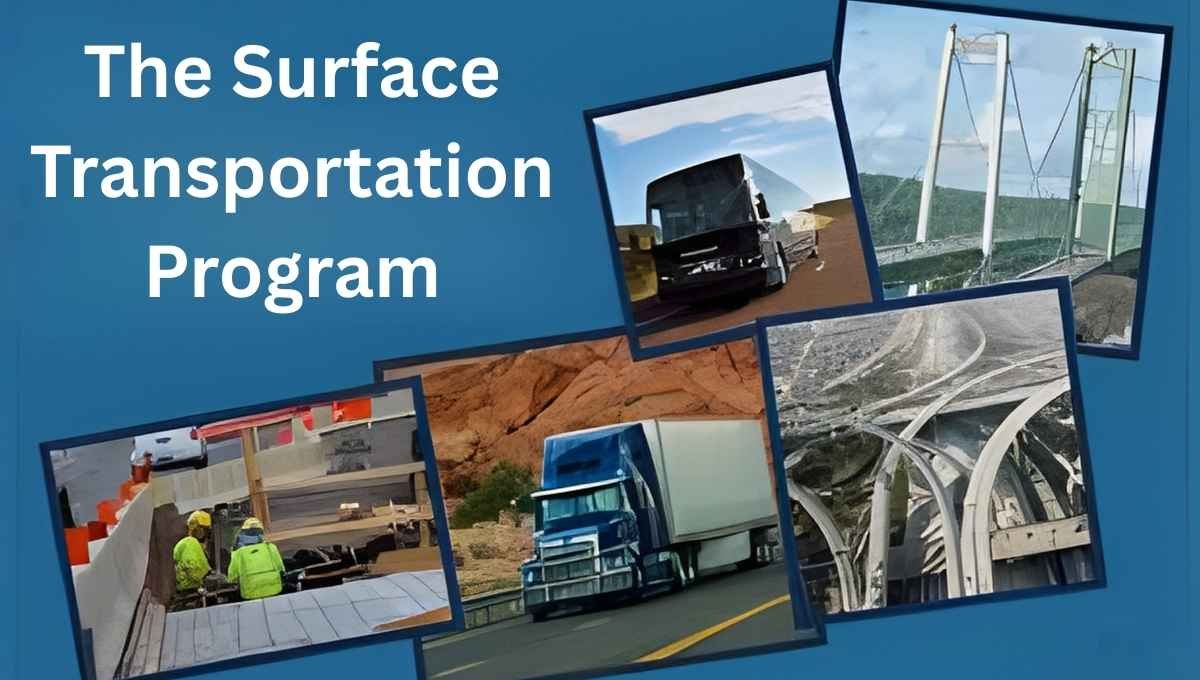
Surface transport, the programme has a big impact on Britain by how people and things are getting across the country daily. From highways to rail networks to public transit, surface transportation drives economic development, keeps people safe and protects the environment. Knowing how this programme functions helps business, local authorities and the public see how transport policy and funding choices change the world in which they live.
National, policy and public-private partnerships in the UK In the UK, surface transport programmes are influenced by government policy (e.g. strategic objectives), national infrastructure plans and collaboration among public and private bodies. They seek to increase the efficiency of transport, alleviate congestion and improve safety while promoting sustainable travel choices.
This article explains what surface transportation is, what surface transport means in practice, the role of surface transportation security inspectors, and how surface transportation policy partnerships operate in the UK.
Surface transportation is the transport of people, goods and animals on land, typically using roads or railways. In the UK this means roads, railways, trams, buses and cycling and pedestrian networks.
The surface transportation program is a framework for federal funding of road, bridge, and transit project investments throughout the country. It funds the construction and upkeep of infrastructure, highways, local roads and railways, public transportation services.
Within the United Kingdom surface transport organisations include Department for Transport (DfT), National Highways, Network Rail and local transport authorities. These organisations collaborate to produce the transport networks that are safe, reliable and prepared for future use.
Key aims of a surface transportation program typically include:
Surface transport simply means any transport that operates on the ground. Unlike aviation or maritime transport, surface transport is used for short, medium, and long-distance travel within the UK.
Common examples of surface transport include:
The UK transport system is built on its surface transport network. It is how millions of commuters, students and pleasure-seekers get through their day. Industries rely on it to quickly ship goods between regions.
The surface transportation program works to better link these modes. Such as connecting rail stations with bus services or making cycling safer alongside busy roads. This integrated approach reduces dependence on personal car use and favours cleaner, more efficient travel.
In the UK, surface transportation programs are influenced by long-term strategies including a National Infrastructure Strategy and local transport plans. This funding could be provided by central government, devolved administrations or regional authorities.
Projects supported under a surface transportation program may include:
All projects are also judged by safety, cost, environmental impact and public benefit. That way we’re getting investment rather than one-off short-term fixes.
A surface transportation security inspector checks transport systems for security risks and safe operation. In the UK, such a role is usually held by the Department for Transport and other regulators.
Security inspectors focus on surface transport modes such as railways, underground networks, and major road systems. Their responsibilities may include:
Surface Transportation Security Inspectors are key to safeguarding people and goods. Their work contributes to prevent incidents and react to threats, ensuring public trust in means of transport.
The surface transportation policy partnership refers to collaboration between government, local authorities, transport operators, and private organisations. In the UK, transport challenges often cross regional boundaries, making partnership working essential.
These partnerships help:
For example, a partnership focusing on surface transportation policy might include local governments and rail agencies working together to improve access to stations or bus systems. And it could even comprise some private sector contribution on innovation, technology and sustainability.
These partnerships help ensure that surface transportation programs are responsive to actual needs and further economic and environmental objectives simultaneously.
The surface transportation system touches some part of every human”s life in the UK. It dictates how people travel, how businesses function, and how communities come together.
Well-planned surface transportation delivers:
The surface transportation program has evolved as travel requirements change. Spending on digital systems, low-emission vehicles, and encouraging people to walk or cycle demonstrates how the UK is preparing for changes in surface transport.
The surface transportation program is an essential part to the substance of infrastructure planning and policy in the UK. And by providing roads, railways and public transport it helps us all to get where we’re going safely and efficiently.
The entire operation, however including the plainclothes law enforcement officers and transportation security agents who serve as spotters demonstrates how complicated and orchestrated the system can be. Through ongoing investment and partnership, surface transportation programmes will continue to be at the heart of the UK’s economic expansion and environmental sustainability.